| | Marble Tile Flooring
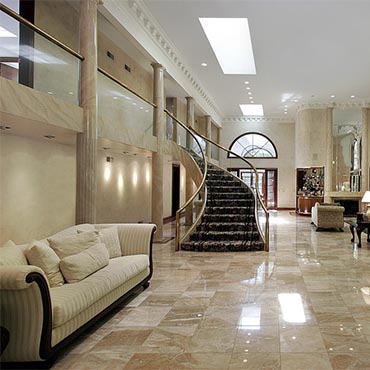 Transform Your Home with the Timeless Beauty of Marble Tile Flooring
Are you dreaming of a home makeover that exudes elegance and sophistication? Marble tile flooring might just be the perfect solution for you. Whether you're a homeowner looking to elevate the aesthetic of your space or a savvy shopper searching for the best value, marble tiles offer a unique blend of luxury and practicality that’s hard to beat.
What is Marble Tile Flooring?
Marble tile flooring is a premium flooring option made from natural stone, renowned for its timeless beauty and durability. Marble is a metamorphic rock that originates from limestone, transformed under extreme heat and pressure over millions of years. This process results in a stone that is not only incredibly strong but also capable of being polished to a stunning, glossy finish. The rich history of marble dates back to ancient civilizations, where it was used in some of the most iconic structures and sculptures of all time. Today, marble tiles continue to be a symbol of luxury and elegance, enhancing homes with their natural beauty and unique patterns.
Features and Benefits of Marble Tile Flooring
- Aesthetic Appeal: Marble tiles are available in a wide range of colors and patterns, making them a versatile choice for any interior design style. From the classic white Carrara to the striking green verd antiques, each tile is a work of art, offering a one-of-a-kind appearance.
- Durability: Marble is one of the most durable natural stones, making it an excellent choice for high-traffic areas in your home. With proper care, marble tile flooring can last for decades without losing its luster.
- Easy Maintenance: While marble requires some maintenance to preserve its beauty, it’s relatively easy to clean. Regular sweeping and occasional mopping with a pH-neutral cleaner will keep your marble tiles looking pristine.
- Increases Property Value: Installing marble tile flooring can significantly enhance the value of your home. Its timeless appeal and durability make it an attractive feature for potential buyers.
Why Marble Tile Flooring Stands Out
Marble tile flooring stands out from other natural stone options due to its unparalleled elegance and historical significance. Unlike synthetic materials, marble offers a natural, organic beauty that can't be replicated. Its unique veining and color variations add character and depth to any room, creating a luxurious atmosphere that synthetic alternatives simply can't match.
Moreover, marble is a symbol of refinement and taste, often associated with high-end interiors and historical landmarks. The fact that it has been used for centuries in iconic buildings like the Parthenon and the Taj Mahal speaks to its enduring appeal and superior quality. When you choose marble tile flooring, you're not just selecting a floor covering; you're choosing a piece of history and art that will elevate your home’s ambiance.
The Perfect Rooms for Marble Tile Flooring
Marble tile flooring is incredibly versatile and can be used in various rooms throughout your home:
- Living Rooms and Foyers: Make a grand first impression with marble tiles in your entryway or living room. The luxurious look and feel of marble instantly elevate these spaces, creating a welcoming and elegant atmosphere.
- Bathrooms: Marble is a popular choice for bathrooms due to its natural resistance to moisture and its sleek, polished surface. Imagine stepping onto cool, smooth marble tiles after a relaxing bath—pure luxury!
- Kitchens: While marble may require a bit more maintenance in the kitchen, its stunning appearance makes it a worthwhile investment. A marble-tiled kitchen floor can transform the heart of your home into a gourmet haven.
- Dining Rooms: Add a touch of sophistication to your dining room with marble tile flooring. Its natural beauty and shine create the perfect backdrop for memorable meals and gatherings.
Elevate Your Home Today
Ready to transform your space with the timeless elegance of marble tile flooring? Don’t wait any longer to bring your vision to life. Explore our wide selection of marble tiles and find the perfect match for your home today. Your dream home makeover is just a tile away!
|
Recommended brands include: Daltile® Stone Tile | Emser® Natural Stone | Shaw Stone Flooring | Arizona Tile Natural Stone | Questech Tile | Bedrosians® Natural Stone | AKDO® Natural Stone | Solistone | and more... Learn more about Marble Tile Flooring... News Articles | Manufacturer Brands | Online Shopping | Local Retailers | Help
Index page | Copyright 1997-2026 BuildBiz, Inc. All rights reserved.
The DesignBiz logo, and other DesignBiz graphics and logos are trademarks of BuildBiz, Inc.
Unless otherwise noted, all other trademarks, service marks, and logos not owned by BuildBiz, Inc. and used herein are the trademarks, service marks, or logos of their respective owners. |